Lifestyle Changes to Reduce the Risk of Kidney Cancer
Your kidneys filter approximately 180 litres of fluid from your blood daily, removing metabolic waste products, regulating electrolytes, and preserving your body's delicate biochemical balance. During this vital continuous filtration, kidney cells repeatedly encounter substances circulating in your bloodstream—including hazardous chemicals from tobacco smoke and specific industrial environments. In addition, excess visceral body fat and uncontrolled high blood pressure create conditions that markedly increase kidney cancer risk.
The reassuring news is that several of the most influential risk factors remain entirely within your control. Understanding how these factors impact renal cellular health empowers you to make informed decisions to protect your kidneys for decades to come.
Your Health Matters: Know the Risks, Act at the Right Time
Knowledge is the foundational first step toward prevention and appropriate medical care:
- Renal Cell Carcinoma (RCC): Begins in the microscopic filtering tubules of the kidney and accounts for approximately 90% of all adult kidney cancers.
- Primary Modifiable Triggers: Tobacco use, obesity (visceral fat), chronic hypertension, industrial chemical exposures, and unmonitored painkiller abuse.
- Early Stages are Silent: Kidney tumours typically grow without early pain or warning symptoms, making preventive lifestyle choices and timely diagnostic scans vital.
- Action Beats Delay: Smoking cessation, blood pressure control, and waist-circumference reduction directly protect renal microvasculature and cellular DNA.
What Are the Main Risk Factors for Kidney Cancer?
Kidney cancer develops when abnormal kidney cells mutate and proliferate uncontrollably. Renal cell carcinoma (RCC), which originates in the lining of the kidney's microscopic filtering tubules (nephrons), accounts for roughly 90% of all kidney malignancies diagnosed in adults. While non-modifiable factors such as advancing age and rare hereditary syndromes play a role, substantial clinical evidence demonstrates that lifestyle choices directly influence renal tissue stress.
The comparative table below outlines the primary lifestyle-related risks, their biological effects on kidney cells, and actionable preventive measures:
| Risk Factor | Evidence & Impact | Effect on Kidneys | Recommended Action |
|---|---|---|---|
| Smoking | Strong evidence; roughly 30–50% higher risk in epidemiological studies | Circulating tobacco carcinogens damage renal tubular cell DNA | Quit tobacco and seek structured cessation support |
| Obesity | Strong evidence; elevated risk across multiple global cohorts | Hormonal alterations, chronic low-grade inflammation, altered cell growth signals (IGF-1) | Manage weight and visceral fat through balanced nutrition and exercise |
| High Blood Pressure | Established independent risk factor | Renal microvasculature damage, chronic hypoxia, and cellular stress | Monitor blood pressure regularly and follow prescribed medical therapy |
| Industrial Solvents | Strong evidence for trichloroethylene (TCE) exposure | Toxic metabolites accumulate and induce damage in kidney tubule cells | Use enclosed engineering controls and certified respiratory protection |
| Long-term Painkiller Misuse | Mixed evidence for malignancy; well-established direct nephrotoxicity | Reduced renal blood flow, papillary necrosis, and chronic tissue injury | Avoid chronic, unsupervised over-the-counter NSAID consumption |
01. Tobacco: Quit Smoking to Reduce Exposure to Kidney Carcinogens
Smoking directly exposes your kidneys to potent cancer-causing compounds. When you inhale tobacco smoke from cigarettes, bidis, cigars, or hookahs, toxic chemical compounds rapidly enter your bloodstream. Because your kidneys receive approximately 20–25% of total cardiac output, they continuously process high volumes of these circulating carcinogens and their metabolic breakdown products.
Specific tobacco-related carcinogens reach the renal filtering tubules, where prolonged contact can trigger irreversible oxidative DNA mutations. Over time, repeated cellular injuries heighten the risk of malignant cellular transformation. Notably, the cancer risk increases proportionally with the duration of smoking and the number of cigarettes consumed daily.
What Should You Do?
- Stop all tobacco use: Cease smoking cigarettes, bidis, and using smokeless tobacco products completely.
- Explore cessation aids: Consult your physician regarding nicotine replacement therapy (patches, gums) or prescribed smoking-cessation medications.
- Avoid secondhand smoke: Passive inhalation carries similar toxic chemicals that strain vascular and renal health.
- Join structured support programs: Evidence confirms that patients who combine medical guidance with behavioral counselling have significantly higher long-term success rates.
The longer you remain tobacco-free, the more your cardiovascular and renal systems recover, progressively driving down your cancer risk profile.
02. Body Weight: Reduce Visceral Fat and Maintain a Healthy Weight
Excess abdominal and visceral fat does far more than simply increase body mass on a scale; it acts as an active endocrine organ that disrupts normal metabolic balance. Obesity increases peripheral insulin resistance and stimulates the overproduction of insulin-like growth factor-1 (IGF-1)—a potent biochemical pathway known to stimulate cellular proliferation and suppress natural apoptosis (programmed cell death) in renal tissues.
Furthermore, visceral adipose tissue continuously secretes pro-inflammatory cytokines, generating chronic low-grade systemic inflammation and oxidative stress. These biochemical alterations are recognized by oncologists as leading biological drivers linking excess adiposity to renal cell carcinoma.
Practical Changes That Matter
- Limit refined sugars: Cut out sugar-sweetened beverages, commercial baked snacks, and oversized carbohydrate portions.
- Emphasize nutrient-dense meals: Incorporate lean proteins, abundant fresh vegetables, legumes, and high-fiber whole grains to support metabolic satiety.
- Aim for 150 minutes of weekly activity: Engage in brisk walking, swimming, or cycling to improve insulin sensitivity.
- Incorporate resistance training: Lifting weights or practicing bodyweight exercises twice weekly preserves muscle mass and accelerates metabolic rate.
- Track waist circumference: For Indian adults, central abdominal adiposity poses significant metabolic and cancer risks even at a Body Mass Index (BMI) below the standard Western obesity threshold of 30 kg/m². Prioritize waist trimming over total scale weight.
03. Blood Pressure: Control Blood Pressure to Protect Kidney Blood Vessels
Uncontrolled hypertension places persistent physical shear stress on the delicate microvascular network supplying the kidneys. Over months and years, elevated arterial pressure leads to arteriolosclerosis, vascular remodeling, microscopic scarring, and reduced oxygenation to renal parenchyma.
Renal researchers have established that chronic local hypoxia triggers the release of hypoxia-inducible factors (HIF), which can promote abnormal cellular repair, angiogenesis, and tumor growth. The correlation between chronic hypertension and elevated kidney cancer incidence is medically well established.
How to Protect Your Kidneys
- Check your blood pressure routinely: Monitor your blood pressure at home or clinic visits. A reading under 120/80 mmHg is generally optimal for healthy adults.
- Moderate dietary sodium: Limit excess salt, highly processed snacks, pickles, and restaurant foods that provoke fluid retention and pressure spikes.
- Adopt a heart-healthy diet: Emphasize potassium-rich fresh fruits, vegetables, and whole grains while moderating saturated fats.
- Take antihypertensive medications consistently: Never discontinue or alter prescribed blood pressure tablets without explicit guidance from your physician.
04. Medication Habits: Avoid Long-Term Painkiller Misuse
Millions of people routinely consume over-the-counter painkillers for recurring headaches, backache, or osteoarthritis without recognizing their potential impact on kidney function. Non-steroidal anti-inflammatory drugs (NSAIDs)—such as ibuprofen, naproxen, and diclofenac—inhibit prostaglandins, causing the renal blood vessels to constrict and reducing overall blood supply to the kidneys.
While occasional use under clinical direction is generally safe, chronic daily use can provoke analgesic nephropathy, chronic interstitial nephritis, and renal papillary damage. While the evidence connecting analgesic abuse specifically to renal cancer remains less uniform than its known link to kidney failure, avoiding unnecessary medication protects renal functional reserves.
Safer Medication Habits
- Avoid taking NSAIDs daily or for prolonged periods without a doctor's prescription.
- Never exceed recommended dosages or prescribed therapy durations.
- Distinguish between medications: Paracetamol (acetaminophen) is not an NSAID and is generally gentler on the kidneys at recommended doses (though excess dosage affects the liver).
- Consult your doctor if you experience persistent pain rather than self-medicating.
- Request periodic kidney function tests (serum creatinine, eGFR, urinalysis) if you require regular medication for chronic pain.
05. Occupational Exposure: Protect Yourself From Workplace Chemicals
Certain industrial chemicals and heavy metals can enter the bloodstream through inhalation or skin absorption, accumulating in renal cells as the kidneys work to filter and excrete them. Trichloroethylene (TCE), a chlorinated hydrocarbon widely used in industrial metal-degreasing, paint removers, and dry cleaning, is a recognized human carcinogen with strong causal links to kidney cancer.
Additionally, occupational exposure to heavy metals such as cadmium (common in battery manufacturing, electroplating, and pigment production) has been correlated with increased renal risk. Workers in metal processing, automotive repair, chemical manufacturing, and welding should adhere strictly to industrial safety protocols.
Workplace Safety Measures
- Prioritize closed-loop mechanical systems and adequate localized exhaust ventilation in processing facilities.
- Always review and adhere to Material Safety Data Sheets (MSDS) for industrial solvents and degreasers.
- Wear certified, correctly fitted chemical-cartridge respirators when handling solvent vapors—standard paper dust masks offer zero protection against chemical fumes.
- Use chemical-resistant nitrile or neoprene gloves and protective clothing to prevent dermal absorption.
- Participate regularly in mandatory workplace occupational health and urological screening programs.
06. Early Evaluation: Recognise Kidney Symptoms and Seek Timely Evaluation
While proactive lifestyle measures substantially lower risk, recognizing the symptoms of kidney disorders remains equally critical. In its earliest, most curable stages, kidney cancer is characteristically asymptomatic—often described by doctors as a "silent tumour." In fact, over 60% of small renal masses are discovered incidentally during routine abdominal ultrasounds or CT scans ordered for unrelated complaints such as indigestion or back pain.
When symptoms do manifest, they may include:
- Blood in the urine (hematuria): Urine may appear pink, dark red, or tea-coloured. Even a single painless episode demands urgent urological investigation.
- Persistent flank or lower back pain: A dull, continuous ache on one side below the ribs that does not fluctuate with movement.
- Palpable abdominal lump: A noticeable firmness or swelling in the side or lower abdomen.
- Systemic warning signs: Unexplained weight loss, recurring low-grade fever, persistent fatigue, or newly diagnosed anaemia.
When to Consult an Expert Urologist in Mumbai
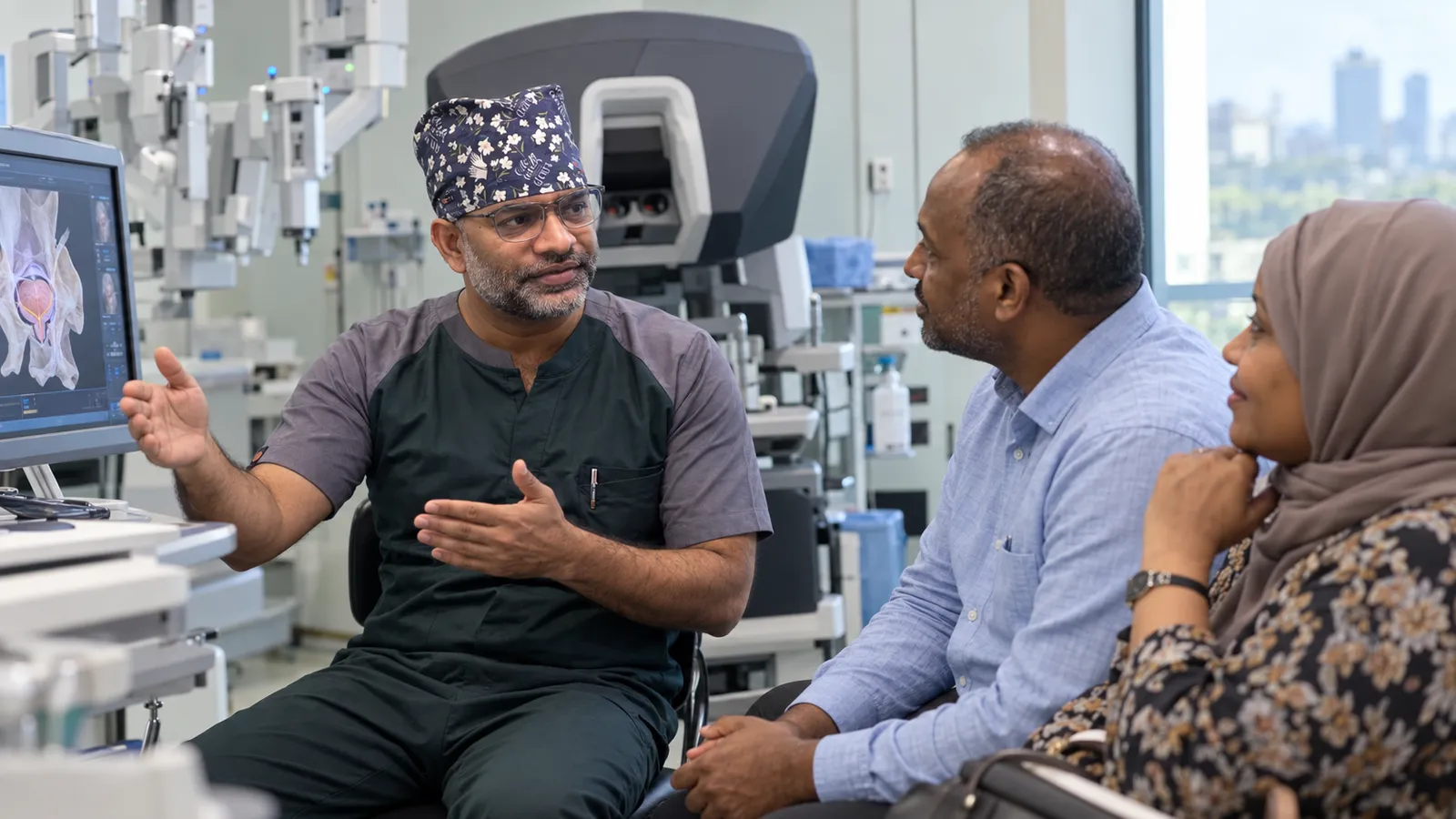
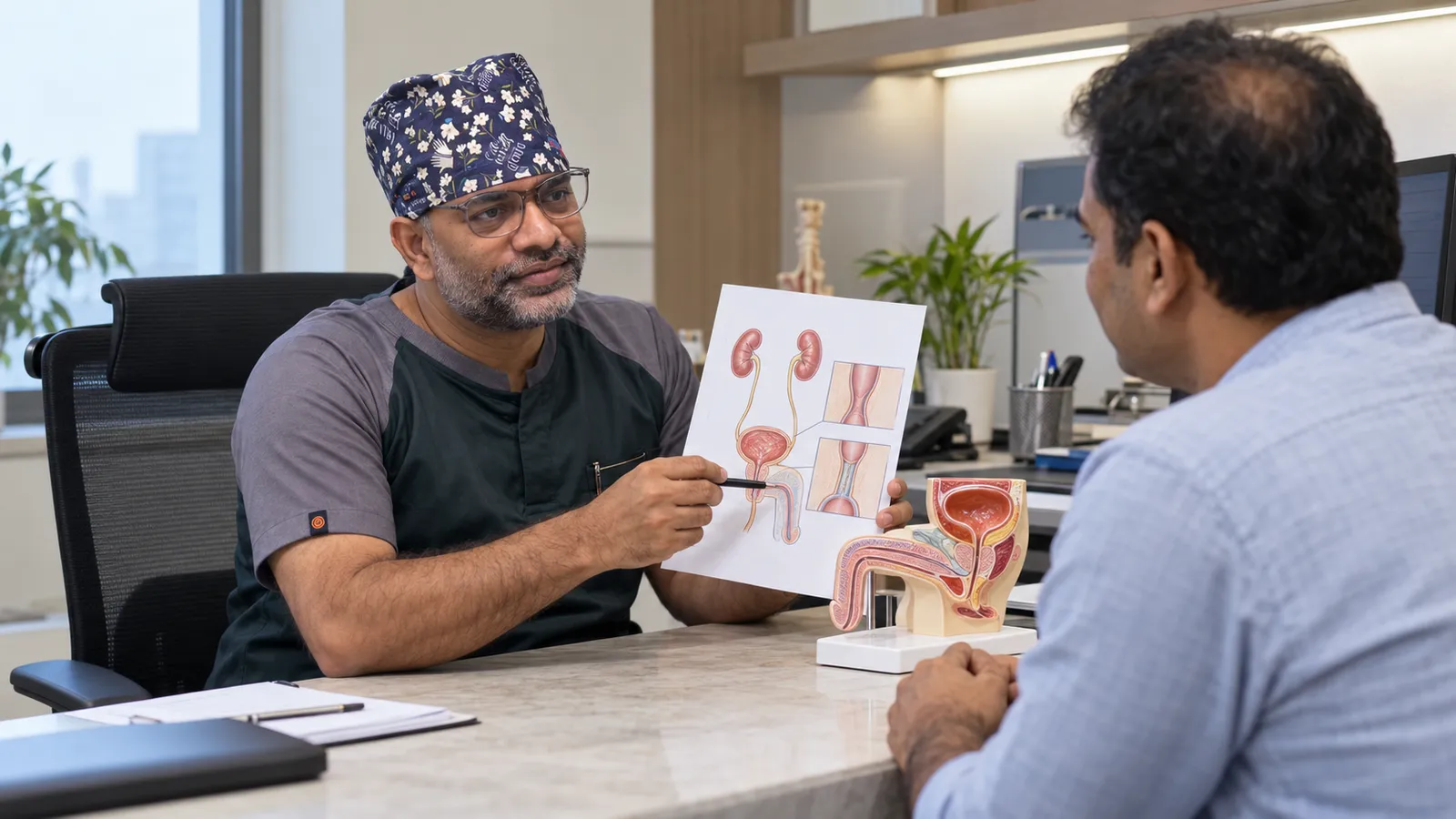
Consulting an experienced urologist like Dr. Jamal Akhtar Azmi ensures an accurate, timely evaluation. Patients searching for a Best Urologist in Mumbai should seek immediate clinical assessment whenever symptoms persist rather than relying on self-diagnosis.
It is equally important for patients exploring Kidney Stone Treatment in Mumbai to understand that kidney stones and kidney tumours are distinct medical conditions. While both can cause blood in the urine and flank discomfort, a professional diagnostic workup—combining non-contrast CT urography and renal ultrasound—is critical to establish the true diagnosis.
When a suspicious kidney mass is detected, prompt evaluation by a specialist in uro-oncology offers the widest spectrum of nephron-sparing options. With advanced surgical techniques like Robotic Partial Nephrectomy, Dr. Azmi can meticulously excise small to intermediate renal tumours while preserving the remaining healthy kidney tissue, optimizing long-term kidney function and patient quality of life.
Kidney Cancer Prevention
Frequently Asked Questions
Are kidney cysts a precursor to kidney cancer?
Most simple kidney cysts are harmless, fluid-filled sacs that do not develop into cancer. However, complex cysts—which feature thick walls, internal septations, or calcifications—require closer radiological assessment. Urologists use the Bosniak classification system, based on contrast CT or MRI features, to stratify cancer risk and decide whether careful active monitoring or surgical intervention is necessary.
Does alcohol increase kidney cancer risk?
Research has not consistently linked moderate alcohol consumption to increased kidney cancer risk. In fact, some observational studies report a slightly lower incidence among moderate drinkers, though this does not establish a causal protective effect. Heavy drinking, however, elevates blood pressure and damages liver and metabolic health. Starting to drink alcohol for cancer prevention is strictly not recommended.
What is the most common type of kidney cancer?
Renal cell carcinoma (RCC) accounts for approximately 90% of all adult kidney cancers. It develops in the epithelial cells lining the kidney's microscopic filtering tubules. Clear cell renal cell carcinoma (ccRCC) is by far the most prevalent histological subtype, followed by papillary and chromophobe renal cell carcinomas.
Can kidney stones turn into kidney cancer?
Kidney stones do not normally transform into cancer. Some epidemiological studies note an association between long-standing, untreated staghorn stones with chronic inflammation and rare cancers of the renal pelvis (squamous cell carcinoma), but ordinary kidney stones do not become malignant. However, because both conditions can present with blood in the urine, persistent hematuria always warrants a thorough investigation.
Is kidney cancer hereditary?
The vast majority of kidney cancers (over 90–95%) occur sporadically without an inherited gene mutation. However, a small proportion are linked to specific genetic syndromes, including von Hippel-Lindau (VHL) syndrome, hereditary papillary renal carcinoma, and Birt-Hogg-Dubé syndrome. Individuals with multiple relatives diagnosed with kidney cancer or early-onset cases should consider genetic counselling and dedicated screening.
Can an ultrasound detect kidney cancer early?
Yes. A routine abdominal ultrasound can identify asymptomatic solid kidney masses and complex cysts at very early stages before any clinical symptoms arise. If a suspicious lesion is noted on ultrasound, a dedicated triple-phase contrast-enhanced CT urogram or renal MRI is typically performed to characterize the tumor's size, vascularity, and exact surgical margins.
When should you consult a urologist?
You should consult a urologist promptly if you observe blood in your urine (whether painful or completely painless), endure persistent flank or lower back discomfort, or have had an unexplained kidney abnormality detected on an ultrasound or CT scan. A urological specialist can recommend precise diagnostic tests and formulate an individualized treatment plan.
Conclusion: Empowering Your Long-Term Kidney Health
Reducing kidney cancer risk starts with addressing the day-to-day factors that directly affect your kidney cells and their microvascular blood supply. Quitting smoking, managing abdominal visceral fat, keeping blood pressure strictly controlled, avoiding unmonitored painkiller abuse, and adhering to industrial safety standards for workplace chemicals are practical, proven steps.
Alongside these healthy habits, paying attention to your family history and seeking timely specialist consultation when warning signs occur will protect your renal wellness. If you have questions about persistent urinary symptoms or wish to undergo a comprehensive urological health check, consult with Dr. Jamal Akhtar Azmi in Mumbai for compassionate, expert, and evidence-based guidance.